
India is a land of diverse cultures, and its cuisine reflects that diversity beautifully. One of the most common culinary comparisons people explore is the difference between North Indian food and South Indian food. Both cuisines are rich in flavors, traditions, and history, yet they differ significantly in ingredients, cooking styles, and taste profiles. In this blog, we will explore the difference between North Indian food and South Indian food in detail to help you understand what makes each unique.
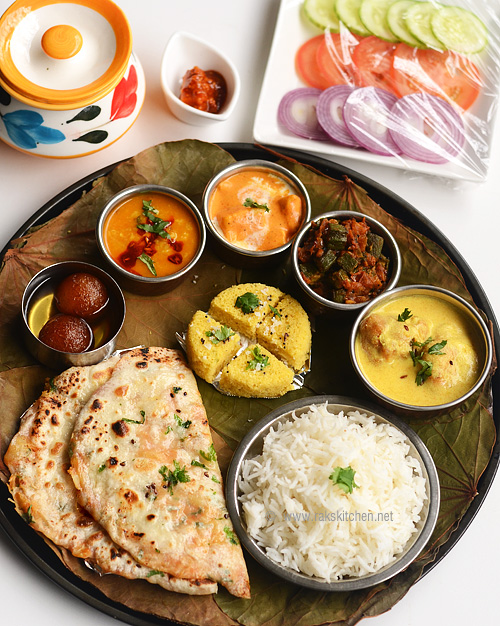
1. Geographic Influence
The North Indian food begins with geography. North India has a cooler climate with fertile plains, while South India has a tropical climate with abundant rainfall and coastal regions.
- North India grows wheat, dairy, and a variety of vegetables.
- South India is known for rice, coconut, and spices.
This geographical variation plays a major role in shaping the difference between North Indian food and South Indian food.
2. Staple Foods
A key North Indian and South Indian lies in staple ingredients.
- North Indian cuisine is centered around wheat-based items like Roti, Naan, and Paratha.
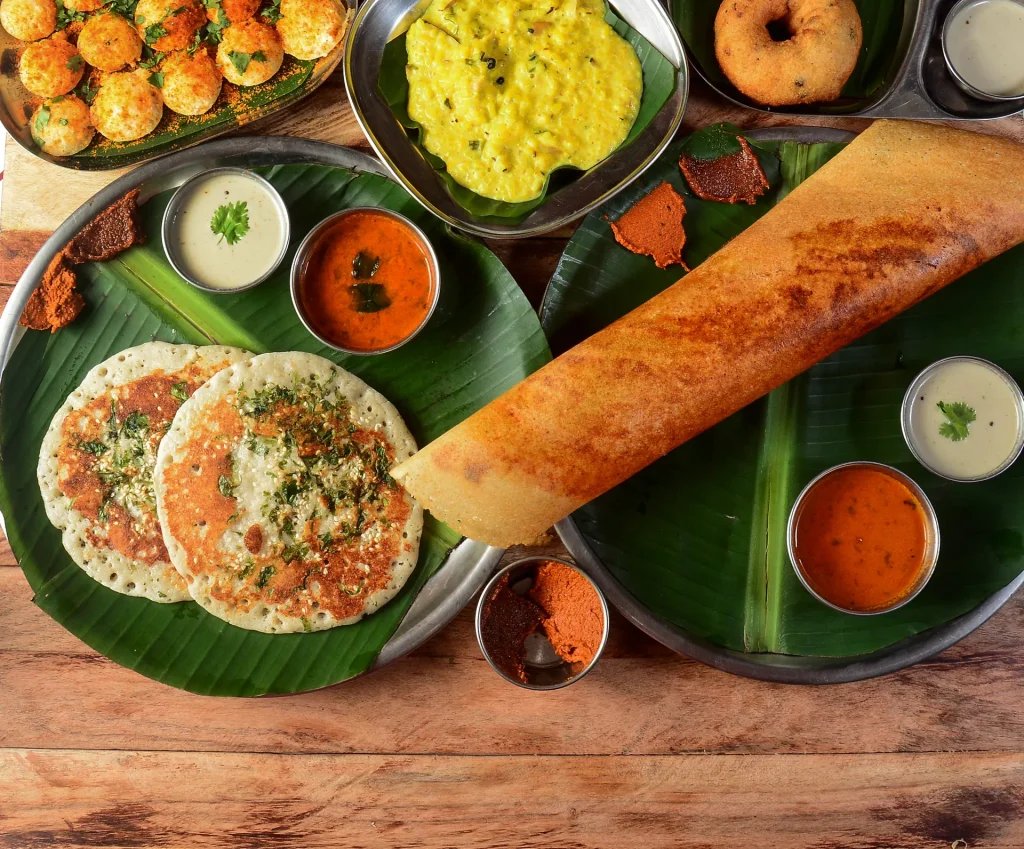
- South Indian cuisine mainly includes rice-based dishes such as Idli, Dosa, and Sambar.
This staple variation highlights the fundamental South Indian food.
3. Cooking Oils and Ingredients in North Indian Food and South Indian Food
Another important difference between North Indian foodies and South Indian foodies is the type of cooking oils and ingredients used.
- North Indian dishes often use ghee, butter, and mustard oil.
- South Indian cooking relies heavily on coconut oil and curry leaves.
The use of coconut in South India creates a distinct taste, adding to the Norths Indian food and Souths Indian food.
4. Spice Levels and Flavours in North Indian Food and South Indian Food
The difference between North India food and South India food is also evident in flavor profiles.
- North Indian food tends to be rich, creamy, and mildly spiced.
- South Indian food is spicier, tangier, and more aromatic.
For example, dishes like Butter Chicken are creamy, while Rasam is tangy and spicy.
5. Cooking Techniques for North Indian Food and South Indian Food
When examining the difference between North Indian food and South Indian food, cooking techniques are crucial.
- North Indian cuisine uses tandoor cooking, grilling, and slow cooking.
- South Indian cuisine emphasizes steaming, boiling, and fermenting.
Fermented foods like Dosa and Idli showcase the traditional methods that define the North Indian foods South Indian foods.
6. Popular Dishes
The difference between North Indians food and South Indians food becomes clearer when looking at popular dishes.
- North Indian: Chole Bhature, Paneer Butter Masala, Biryani
- South Indian: Uttapam, Upma, Curd Rice
These dishes highlight the diversity in the difference between North Indian foods and South Indian foods.
7. Use of Dairy
A major difference between Northers food South Indian food is the use of dairy.
- North Indian cuisine uses milk, cream, and paneer extensively.
- South Indian cuisine uses very little dairy and prefers coconut-based ingredients.
This distinction plays a big role in defining the South Indian food.
8. Meal Structure for North Indian Food and South Indian Food
The difference between North Indians foods and South Indians foods also appears in how meals are served.
- North Indian meals include roti, sabzi, dal, and rice.
- South Indian meals are often served on banana leaves with multiple small portions.
The traditional serving style adds cultural depth to the difference between North Indian foods or South Indian foods.
9. Health Aspects
The difference between North food and South food extends to health considerations.
- North Indian food can be heavier due to butter and cream.
- South Indian food is often lighter and easier to digest because of steaming and fermentation.
This makes South Indian cuisine a popular choice for health-conscious individuals, further emphasizing the difference between North Indian and South Indian .
10. Cultural Influence
Finally, the difference between North and South reflects cultural traditions.
- North Indian cuisine has Mughal influences, leading to rich gravies.
- South Indian cuisine is rooted in ancient traditions with simple yet flavorful preparations.
Conclusion
In conclusion, the difference between North food and South food lies in their ingredients, cooking styles, flavors, and cultural influences. While North Indian cuisine is rich and creamy, South Indian cuisine is light, spicy, and tangy. Both offer incredible culinary experiences and are equally loved across India and the world.
Understanding the North Indian or South Indian helps you appreciate the diversity of Indian cuisine and choose dishes that suit your taste and lifestyle.