
In the modern business landscape, understanding Commerce vs E-Commerce is essential for entrepreneurs, students, and professionals alike. As technology continues to reshape industries, the shift from traditional trade methods to digital platforms has created new opportunities and challenges. The comparison of Commerce vs E-Commerce helps us understand how business has evolved over time.
The concept of Commerce vs E-Commerce revolves around two different approaches to buying and selling goods and services. While commerce represents the traditional way of conducting business, e-commerce reflects the digital transformation of trade.
What is Commerce?
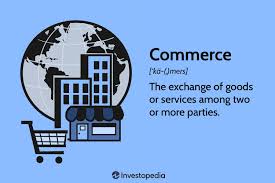
Commerce refers to the exchange of goods and services through physical channels such as retail stores, markets, and direct interactions. In the discussion of Commerce , is the foundation of all economic activities.
This traditional system involves face-to-face communication, physical presence, and immediate transactions. Businesses depend on location, customer footfall, and in-person experiences. The importance of becomes clear when we see how focuses on building trust through personal relationships.
Common traditional retail systems include local shops, shopping malls, and wholesale markets that operate offline and rely heavily on customer interaction.
What is E-Commerce?
E-commerce, or electronic commerce, is the buying and selling of goods and services over the internet. When analysing E-Commerce, represents the modern and innovative approach to conducting business.
Through websites, mobile apps, and online marketplaces, businesses can reach customers globally. Transactions are completed digitally, and products are delivered directly to the customer. This digital convenience makes Commerce vs E-Commerce a critical comparison in today’s world.
Popular online business models include dropshipping, online retail stores, and marketplace platforms that allow seamless transactions.
Major Differences Between Commerce and E-Commerce
To better understand Commerce vs E-Commerce, it is important to explore their key differences:
- Business Environment
In commerce operates in a physical environment, whereas functions in a digital space. - Market Reach
One of the biggest factors in Commerce vs E-Commerce is reach. Commerce is limited to a specific location, while e-commerce allows global access. - Convenience Factor
When comparing e-commerce offers unmatched convenience with 24/7 availability, unlike traditional stores with fixed hours. - Cost and Investment
The E-Commerce comparison shows that traditional commences requires higher investment in rent and staff, while e-commerce reduces many operational costs. - Customer Experience
In E-Commerce, provides hands-on experience, whereas e-commerce relies on images, reviews, and digital communication.
Advantages of Commerce
Despite digital growth, traditional commerce still holds strong value. In the debate, commerce offers benefits that are hard to replace.
- Personal interaction with customers
- Immediate product availability
- Ability to inspect products physically
- Strong local presence
Additionally, face-to-face customer engagement builds trust and long-term relationships, making vs E-an important consideration for customer loyalty.
Advantages of E-Commerce
E-commerce has revolutionized the way businesses operate. In the comparison of Commerce vs E-Commerce, stands out for its flexibility and scalability.
- Shop anytime and anywhere
- Access to global markets
- Lower operational costs
- Easy comparison of products and prices
The use of digital sales strategies such as SEO, social media marketing, and email campaigns enhances business growth, strengthening the importance of Commerce vs E-Commerce in modern entrepreneurship.
Challenges in Commerce and E-Commerce
The discussion of Commerce E-Commerce’s is incomplete without understanding the challenges. Traditional commerce faces limitations like restricted reach and higher costs. On the other hand, e-commerce deals with issues such as cybersecurity threats, delivery delays, and lack of physical interaction.
Recognizing these challenges provides a balanced view of Commerce vs E-Commerce and helps businesses make better decisions.
Which is Better: Commerce or E-Commerce?
The answer to Commerce vs E-Commerce depends on the type of business and target audience. Traditional commerce works well for local businesses and products that require physical inspection. E-commerce is ideal for businesses looking to scale and reach a wider audience.
Today, many businesses combine both methods to create a hybrid model. This evolving strategy makes more of a complementary relationship than a competition.
Future of Business
The future of business lies in blending both systems. The gap between Commerce is gradually decreasing as companies adopt integrated solutions.
Concepts like omnichannel business models are becoming popular, allowing customers to experience both online and offline shopping seamlessly. This trend highlights the growing relevance of E-Commerce in shaping the future economy.
Conclusion
The comparison of Commerce vs E-Commerce reflects the transformation of business in the digital age. While commerce emphasizes personal interaction and physical presence, e-commerce focuses on convenience and global accessibility.
By understanding, businesses and individuals can adapt to changing trends and make smarter decisions. Instead of choosing one over the other, combining both approaches can lead to long-term success and sustainable growth.